Compare Local Contractors for Reliable Plumbing Services
Compare local contractors to define your project scope, verify experience, and ensure clear expectations for a successful plumbing upgrade or repair.
Plumbing contractors handle a wide range of services related to the installation, repair, and maintenance of plumbing systems within residential and commercial properties. Their work typically includes fixing leaks, replacing fixtures, installing new pipes, and addressing drainage issues. Understanding the scope of plumbing work is essential to ensure that all necessary tasks are covered and that the project aligns with the property's needs. Clearly defining what is included in the job helps prevent misunderstandings and ensures that both property owners and service providers are on the same page from the outset.
Defining the scope of work plays a critical role in choosing the right plumbing contractor. It involves specifying the exact tasks to be completed, materials to be used, and any particular standards or preferences. Having a detailed scope documented in writing can help property owners compare different contractors effectively, as it provides a basis for evaluating their experience, expertise, and approach. This clarity also helps set realistic expectations and creates a reference point for any future adjustments or additional work that may be needed.
When comparing local contractors for plumbing services, property owners should consider factors such as experience with similar projects, reputation within the community, and the scope of services offered. It’s advisable to verify the contractor’s background and ask for references or examples of completed work. Reviewing written estimates or proposals that clearly outline the scope of work can facilitate an informed comparison. By focusing on these aspects, property owners can select service providers who are well-suited to meet their specific plumbing needs while ensuring transparent communication and a clear understanding of the project.
Compare local contractors by outlining your project priorities, verifying their experience, and setting clear expectations in writing.
- Compare Contractor Experience - Review the backgrounds of local contractors to ensure relevant plumbing expertise.
- Define Project Scope - Clearly outline the work to be done to align expectations with service providers.
- Verify Credentials and References - Check references and past work to assess the reliability of local contractors.
- Document Agreements in Writing - Ensure all project details and expectations are confirmed through written agreements.
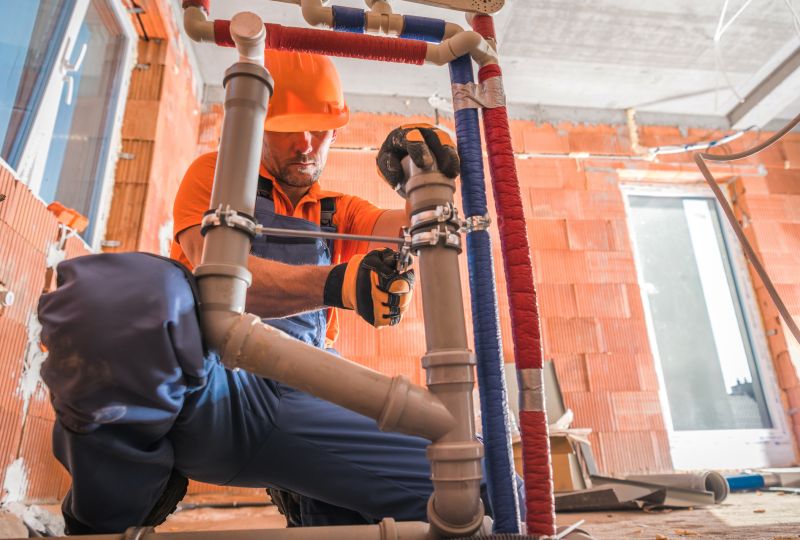
Clearly define your plumbing project and compare local contractors based on experience, scope, and written expectations.
- Verify experience and references for plumbing contractors to ensure familiarity with the specific scope of work. - Review past projects or client feedback to assess the quality and reliability of service providers.
- Define the scope of work clearly in writing to prevent misunderstandings and ensure all tasks are covered. - Specify details such as fixtures, materials, and any necessary repairs to align expectations.
- Compare multiple local contractors to evaluate their expertise, services offered, and reputation in the community. - Look for service providers with a strong track record in plumbing installations and repairs.
- Ensure that all project expectations, including materials and work processes, are documented in a written agreement. - This helps provide clarity and a reference point throughout the project.
- Check that contractors are knowledgeable about local plumbing codes and standards relevant to the project. - Confirm that they stay compliant with regulations to avoid issues during or after installation.
- Assess communication skills and responsiveness of service providers to ensure clear and consistent contact throughout the project. - Effective communication helps facilitate smooth project management and expectation setting.
Compare local contractors' experience, clarify project scope, and set clear expectations in writing.
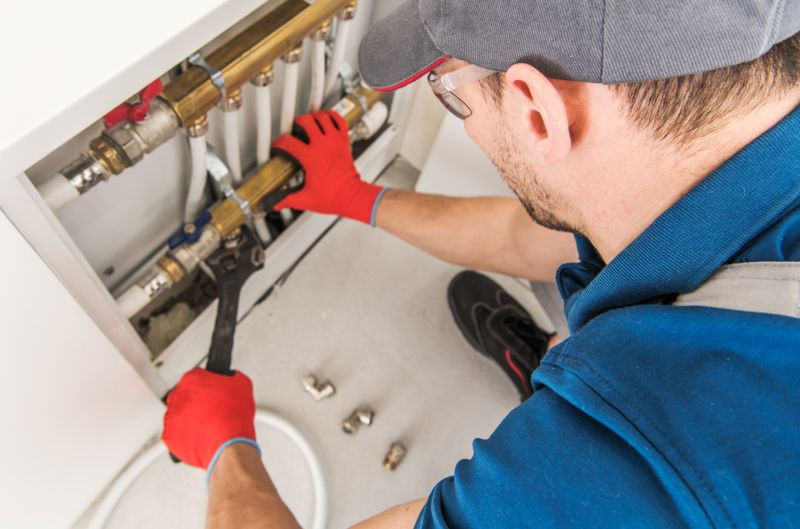
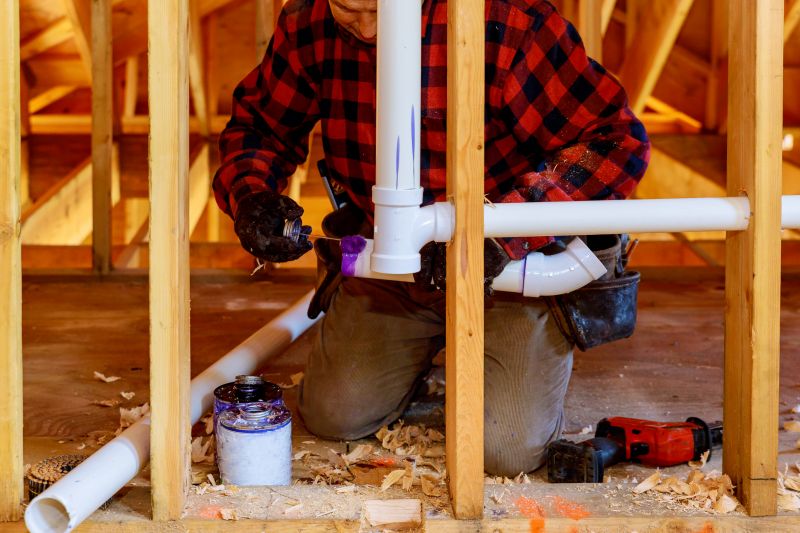

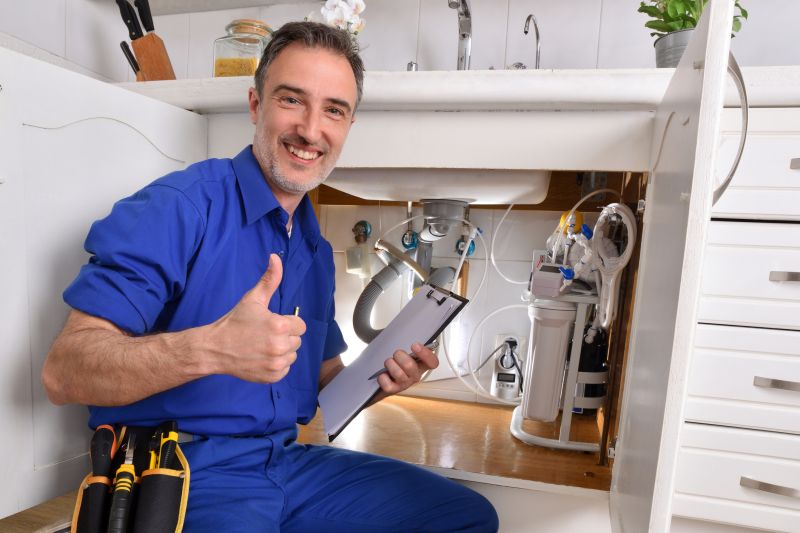
A clear scope builder helps compare local contractors consistently by defining work details, verifying experience, and setting written expectations.
- Project Scope - clearly define the specific plumbing services needed, such as installation, repair, or maintenance.
- Material and Equipment Requirements - specify the types of pipes, fixtures, and tools that should be used for the project.
- Work Area and Access - identify the locations and access points where plumbing work will be performed.
- Expected Outcomes and Deliverables - outline the desired results and any tangible items or documentation to be provided.
- Responsibilities and Responsibilities of Service Providers - detail the tasks and obligations that local contractors will be responsible for completing.
When evaluating plumbing contractors, it is important to consider their experience with similar projects. Service providers who have a proven track record handling tasks comparable to the work needed can offer insights into their capabilities and familiarity with common challenges. Asking about past projects that are similar in scope and complexity can help gauge whether a contractor has the relevant hands-on experience to deliver quality results. This focus on experience ensures that the chosen professional understands the specific requirements and standards associated with the type of plumbing work involved.
A clear, written scope of work is essential for establishing mutual understanding and setting expectations. When comparing contractors, look for those who provide detailed descriptions of the work to be performed, including materials, specific tasks, and any relevant project milestones. A well-defined scope helps prevent misunderstandings and provides a reference point throughout the project. Service providers who communicate their plans clearly and in writing demonstrate professionalism and transparency, making it easier to evaluate their approach and ensure alignment with project needs.
Verification basics are key when assessing potential plumbing service providers. Confirm that contractors have the necessary experience with similar projects, and inquire about their process for ensuring quality and compliance with industry standards. While licensing and certifications are not the focus here, it’s still important to verify that the contractor follows best practices for safety and quality assurance. Requesting references or examples of completed work can provide additional reassurance about their reliability and ability to meet project expectations.
When comparing options, it is helpful to evaluate the professionalism and thoroughness of each contractor’s proposal. Look for detailed written estimates or proposals that outline the scope, materials, and methods they plan to use. Pay attention to how well each service provider communicates their approach and whether they are open to clarifying any aspects of the work. This process allows for an informed comparison based on the quality of their planning and communication, rather than price alone. Ultimately, selecting a contractor who demonstrates expertise, clarity, and professionalism can lead to a more successful plumbing project.
Ask contractors to provide written scope details to ensure clear expectations and consistent project understanding.
- Experience and Qualifications - What specific experience do the service providers have with the type of plumbing work needed?
- Scope of Work - How clearly do the contractors define the scope of the plumbing project in writing?
- Services Offered - What plumbing services are included and are there any limitations or exclusions?
- Work Approach - How do the local contractors plan to handle the project to meet expectations?
- Communication and Clarifications - What methods do the service providers use to clarify project details and ensure understanding?
How can I compare plumbing contractors effectively? To compare local contractors, review their experience, verify references, and ensure they clearly define the scope of work in writing. This helps in making an informed decision based on their expertise and professionalism.
What should I look for when defining the scope of a plumbing project? Clearly outline the specific tasks, materials, and expectations involved in the job. Providing detailed information helps contractors understand your needs and deliver accurate proposals.
How can I verify a contractor’s experience with plumbing work? Ask for details about their past projects, years of experience, and references from previous clients. This information can help gauge their familiarity with similar plumbing services.
Why is it important to have work expectations in writing? Having expectations documented ensures both parties agree on the scope, responsibilities, and deliverables, reducing misunderstandings and providing a clear basis for the project.
What questions should I ask a plumbing contractor before hiring? Inquire about their previous experience, approach to project scope, how they handle unexpected issues, and their process for communicating progress and changes.
How can I ensure a plumbing contractor is suitable for my project? Review their credentials, verify their experience, check references, and confirm they understand and agree to the project scope before proceeding with an agreement.
This page has provided an overview of how to find and compare contractors for plumbing projects. Visitors have learned the importance of clearly defining the scope of work, verifying the experience of potential service providers, and setting expectations in writing to ensure a smooth process. By exploring local options and gathering detailed information, it becomes easier to identify the right service providers for specific plumbing needs.
To make an informed choice, consider using the quote form to compare available local contractors. This step can help identify professionals who understand the scope of the work and can meet expectations. Connecting with trusted local service providers is a practical way to find the right fit for plumbing projects.